Commercial Roofing Materials Guide
Commercial Roofing Materials Guide
Understand Your Options: TPO, PVC, EPDM & More
Understand Your Options: TPO, PVC, EPDM & More
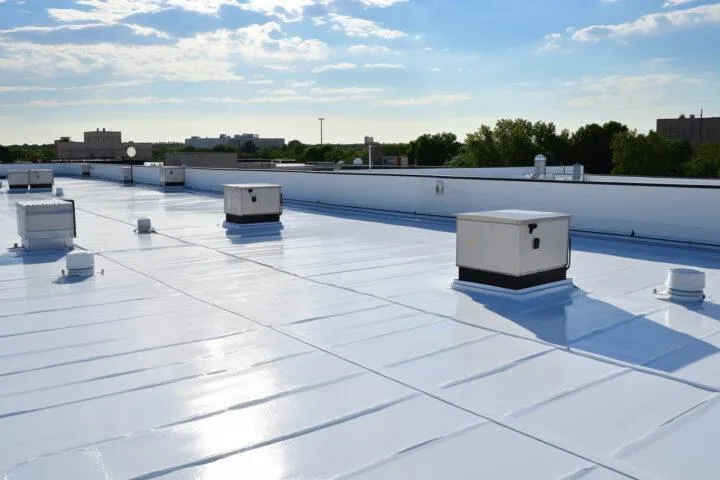
Choosing the Right Roofing System for Your Commercial Property
Not all flat roofing materials are created equal. Explore the pros, cons, and best-use scenarios for TPO, EPDM, PVC, and more — so you can make the right investment for your building.
Choosing the Right Roofing System for Your Commercial Property
Not all flat roofing materials are created equal. Explore the pros, cons, and best-use scenarios for TPO, EPDM, PVC, and more — so you can make the right investment for your building.
Why Your Roofing Material Matters
The performance, durability, and lifespan of your commercial roof depend heavily on the material it’s made of. Whether you're replacing a roof or coating an existing one, it’s critical to understand how different materials perform in Georgia’s heat, humidity, and seasonal storms.
We specialize in a range of commercial roofing systems, each suited to different buildings, budgets, and long-term goals.
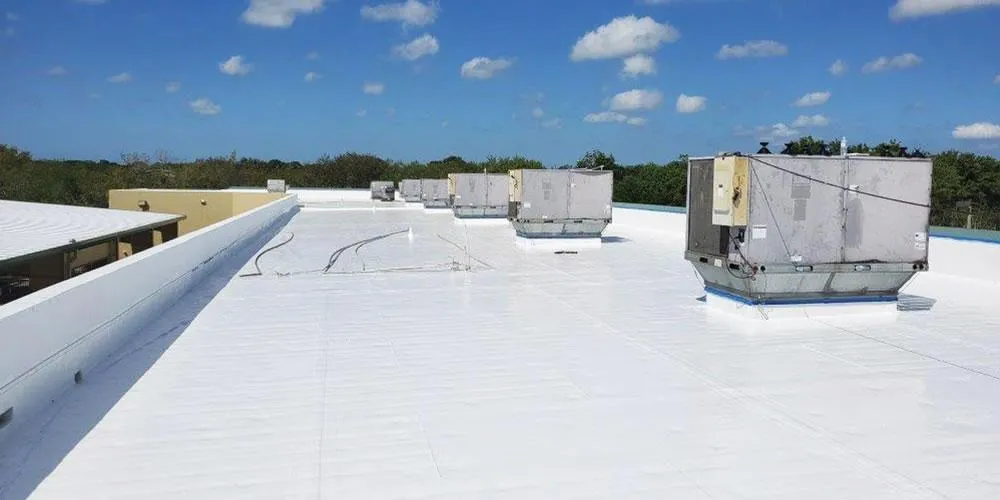
Why Your Roofing Material Matters
The performance, durability, and lifespan of your commercial roof depend heavily on the material it’s made of. Whether you're replacing a roof or coating an existing one, it’s critical to understand how different materials perform in Georgia’s heat, humidity, and seasonal storms.
We specialize in a range of commercial roofing systems, each suited to different buildings, budgets, and long-term goals.
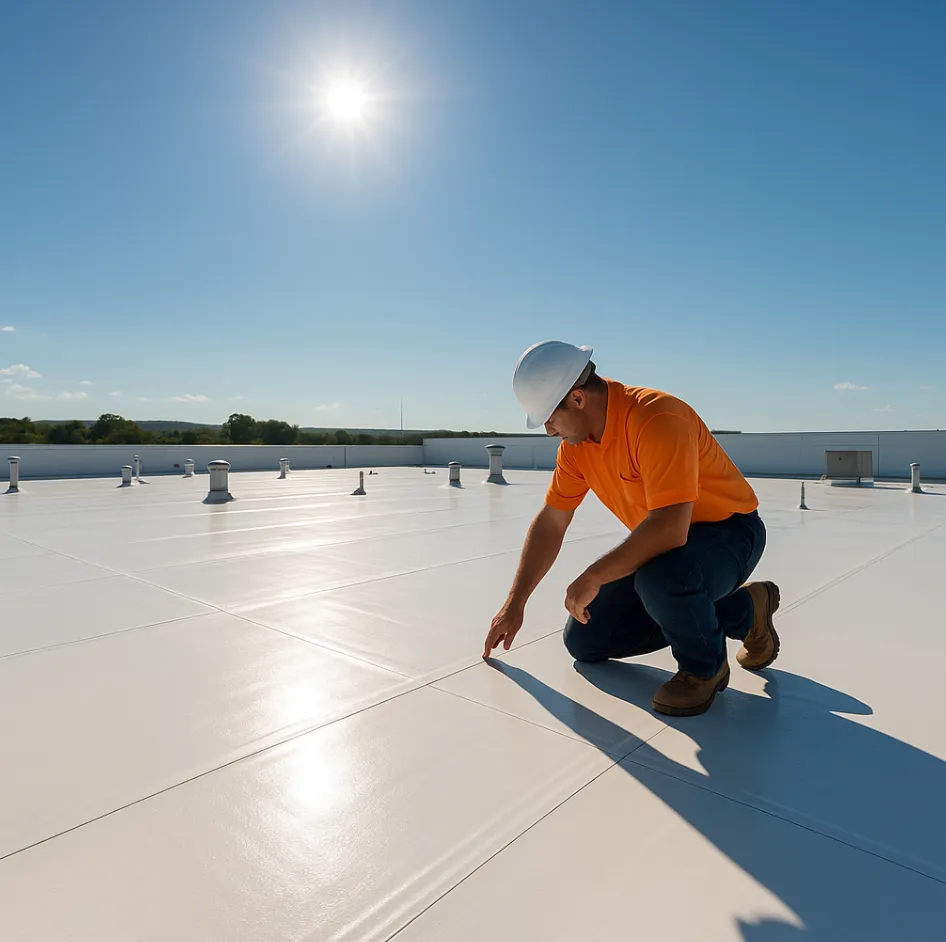
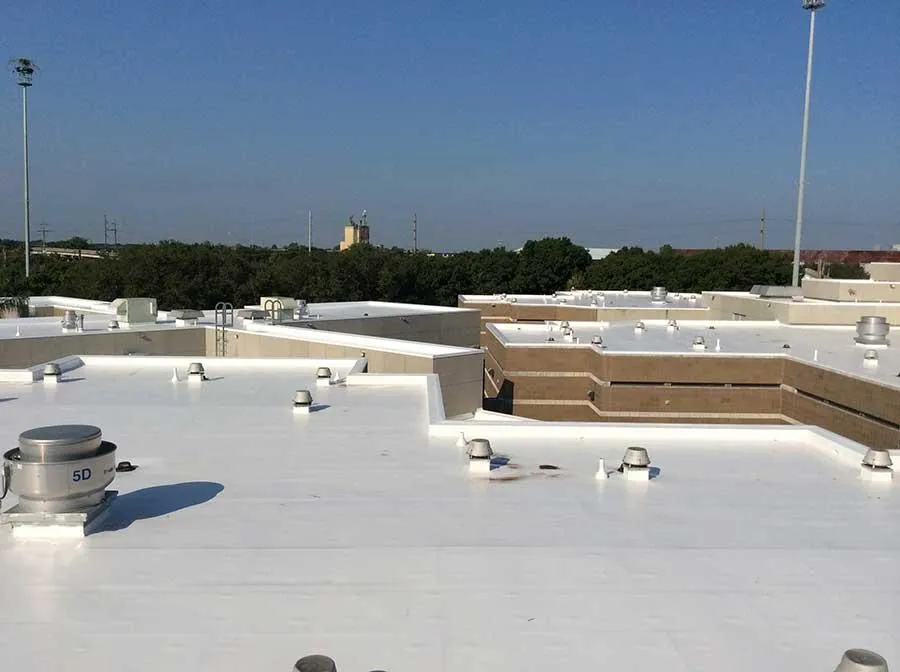
TPO (Thermoplastic Polyolefin)
One of the most popular choices for flat commercial roofs.
Best For: Warehouses, offices, shopping centers
White reflective surface = lower energy bills
Resistant to UV, algae, and chemicals
Heat-welded seams = stronger waterproofing
Cost-effective balance of performance and price
TPO (Thermoplastic Polyolefin)
One of the most popular choices for flat commercial roofs.
Best For: Warehouses, offices, shopping centers
White reflective surface = lower energy bills
Resistant to UV, algae, and chemicals
Heat-welded seams = stronger waterproofing
Cost-effective balance of performance and price
EPDM (Ethylene Propylene Diene Monomer)
Also known as rubber roofing.
Best For: Schools, retail buildings, low-traffic roofs
Durable and flexible in extreme temps
Proven performance over decades
Low-cost option for large roof surfaces

EPDM (Ethylene Propylene Diene Monomer)
Also known as rubber roofing.
Best For: Schools, retail buildings, low-traffic roofs
Durable and flexible in extreme temps
Proven performance over decades
Low-cost option for large roof surfaces
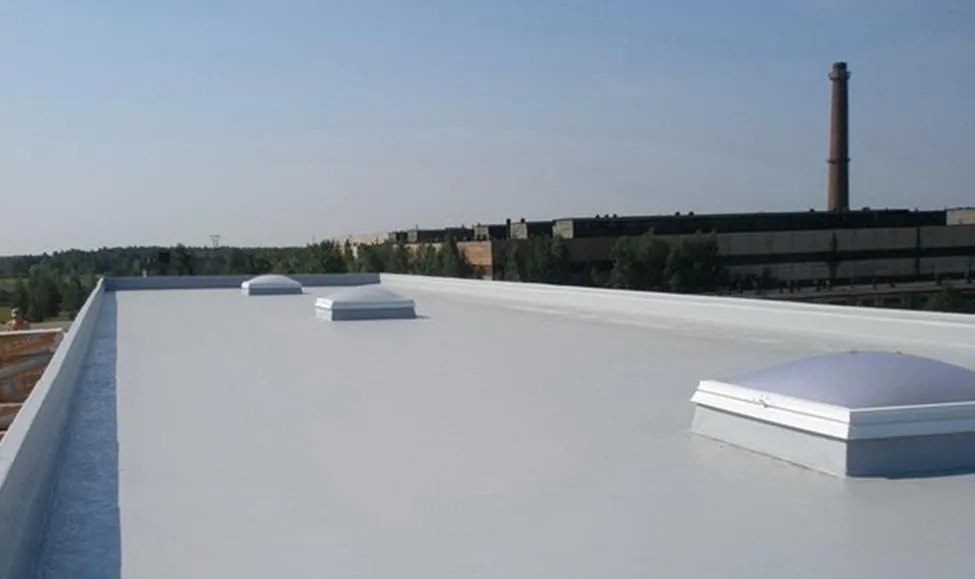
PVC (Polyvinyl Chloride)
A premium roofing material with high chemical and fire resistance.
Best For: Restaurants, medical facilities, factories
Naturally fire-resistant
Excellent against ponding water and chemicals
Long lifespan with minimal upkeep
PVC (Polyvinyl Chloride)
A premium roofing material with high chemical and fire resistance.
Best For: Restaurants, medical facilities, factories
Naturally fire-resistant
Excellent against ponding water and chemicals
Long lifespan with minimal upkeep
Modified Bitumen
Asphalt-based system reinforced with modifiers and membranes.
Best For: Older buildings, roofs with foot traffic
Strong puncture resistance
Suitable for foot traffic and heavy equipment
Easy to repair and maintain
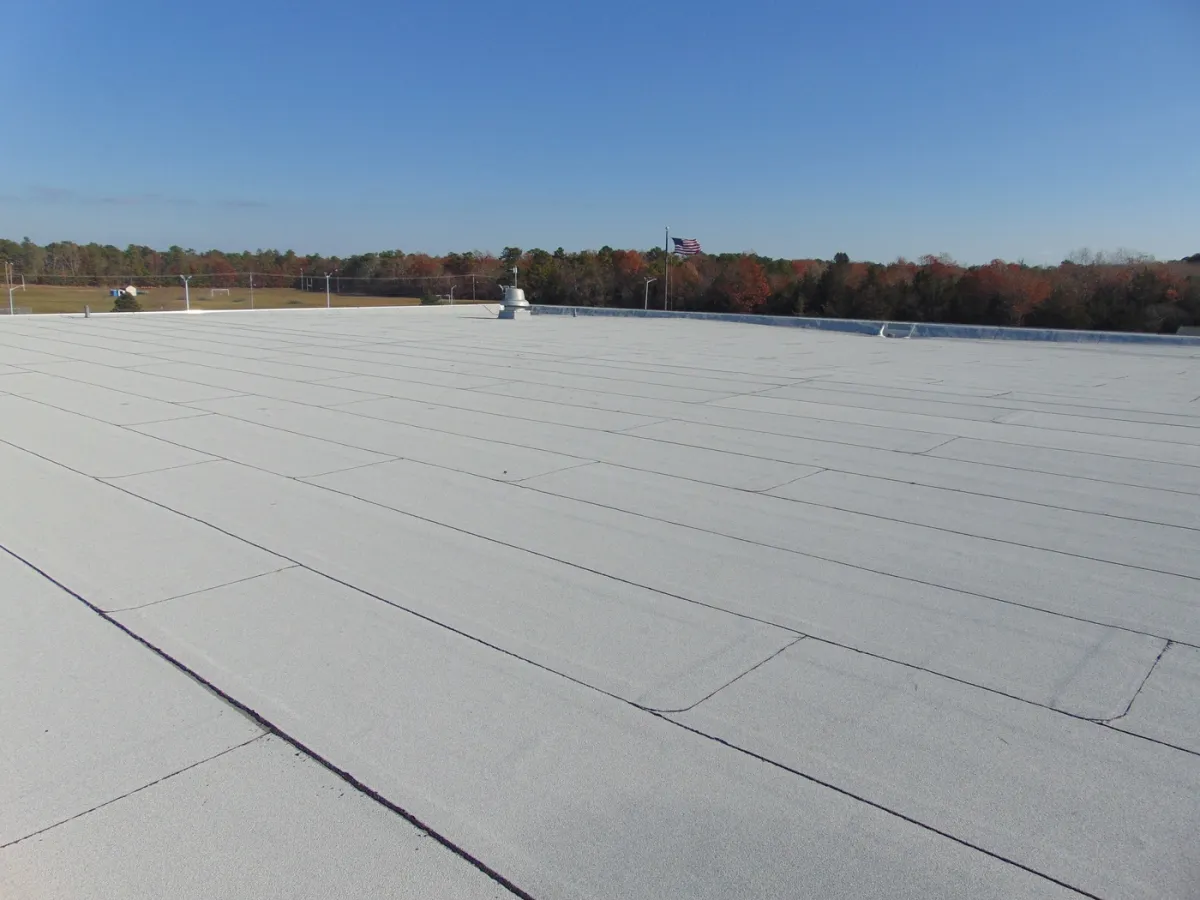
Modified Bitumen
Asphalt-based system reinforced with modifiers and membranes.
Best For: Older buildings, roofs with foot traffic
Strong puncture resistance
Suitable for foot traffic and heavy equipment
Easy to repair and maintain
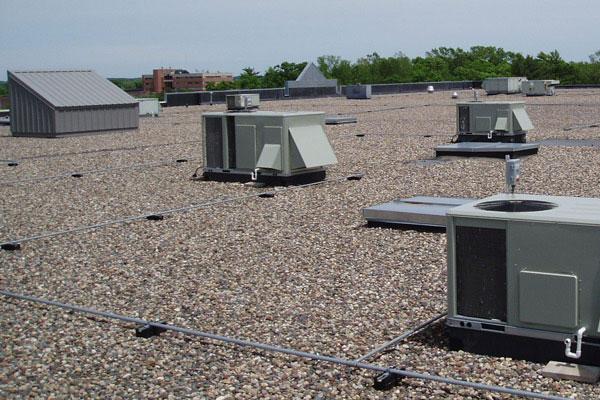
Built-Up Roofing (BUR)
Multi-layer system of tar and gravel. Traditional but outdated.
Best For: Budget-constrained retrofits (less common today)
Heavy-duty waterproofing
Time-tested performance
Built-Up Roofing (BUR)
Multi-layer system of tar and gravel. Traditional but outdated.
Best For: Budget-constrained retrofits (less common today)
Heavy-duty waterproofing
Time-tested performance
Which Material Is Right for You?
Each roofing system has its advantages depending on the specific needs of your building:
Prioritizing energy savings? → Go with TPO or PVC
Want a budget solution with proven longevity? → Consider EPDM
Need chemical resistance or fire performance? → Opt for PVC
Heavy equipment or high-traffic roof? → Look at Modified Bitumen
Preserving an older built-up roof? → Coating may be the best solution
Which Material Is Right for You?
Each roofing system has its advantages depending on the specific needs of your building:
Prioritizing energy savings? → Go with TPO or PVC
Want a budget solution with proven longevity? → Consider EPDM
Need chemical resistance or fire performance? → Opt for PVC
Heavy equipment or high-traffic roof? → Look at Modified Bitumen
Preserving an older built-up roof? → Coating may be the best solution
We’ll help you decide based on:
Building use and occupancy
Existing roof condition
Long-term budget and ROI goals
Regional climate and code compliance
We’ll help you decide based on:
Building use and occupancy
Existing roof condition
Long-term budget and ROI goals
Regional climate and code compliance
Roof Coating Compatibility
Many commercial roofs — especially TPO, EPDM, and PVC — are excellent candidates for silicone or acrylic coatings, which can extend life and reduce cooling costs.
Want to restore instead of replace?
Click below to learn more on our Silicone Coating Services Page
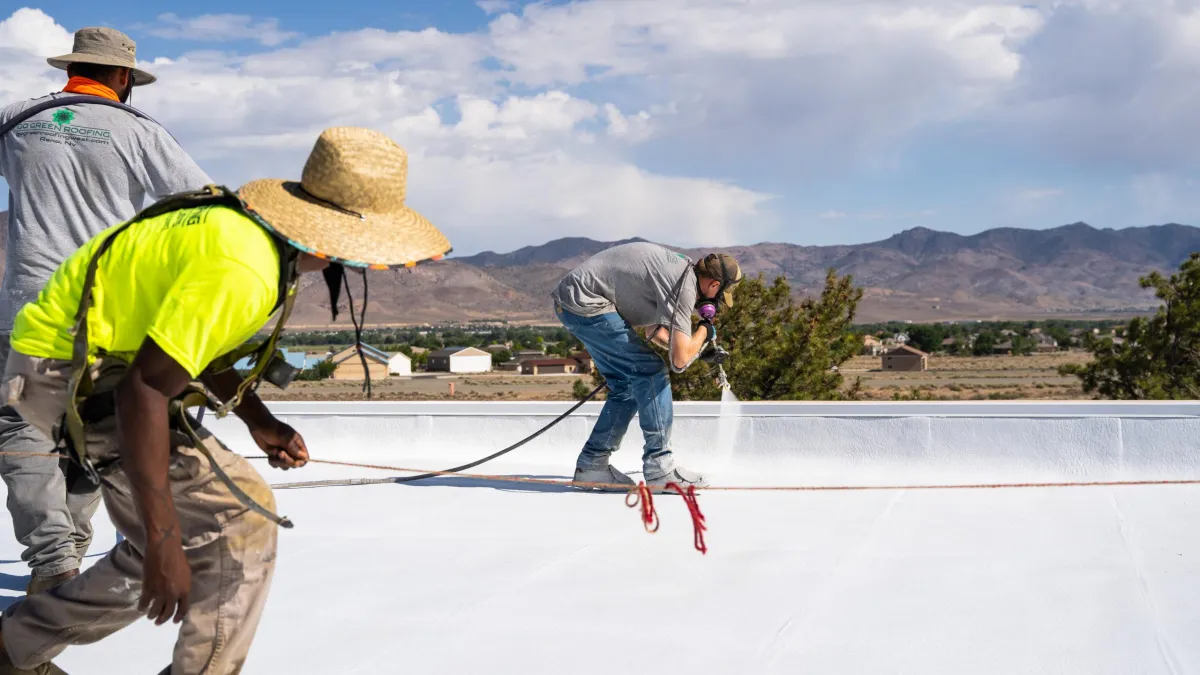
Roof Coating Compatibility
Many commercial roofs — especially TPO, EPDM, and PVC — are excellent candidates for silicone or acrylic coatings, which can extend life and reduce cooling costs.
Want to restore instead of replace?
Click below to learn more on our Silicone Coating Services Page
Have Questions? We've Got Answers.
What is the best roofing material for hot climates?
TPO and PVC are both highly reflective and perform well in heat.
Can you apply silicone coatings to EPDM or TPO roofs?
Yes — but the surface must be cleaned and primed correctly. We offer free evaluations to determine coating compatibility.
Is EPDM or TPO cheaper?
EPDM typically costs slightly less upfront but may offer less energy savings over time compared to TPO.
Have Questions? We've Got Answers.
What is the best roofing material for hot climates?
TPO and PVC are both highly reflective and perform well in heat.
Can you apply silicone coatings to EPDM or TPO roofs?
Yes — but the surface must be cleaned and primed correctly. We offer free evaluations to determine coating compatibility.
Is EPDM or TPO cheaper?
EPDM typically costs slightly less upfront but may offer less energy savings over time compared to TPO.
Why Choose 706-Pro-Roof?
Expert Installers trained in advanced silicone systems
Quick Turnaround – coatings typically applied in 1–3 days
Lower Cost vs. full roof replacement
Peace of Mind – backed by material + workmanship warranties
Why Choose 706-Pro-Roof?
Expert Installers trained in advanced silicone systems
Quick Turnaround – coatings typically applied in 1–3 days
Lower Cost vs. full roof replacement
Peace of Mind – backed by material + workmanship warranties